

Structure Is Not a Cage. It is a Runway. Gives your Ideas the Best Possible Chance of Taking Flight
Every article on Rest Awhile™ follows a general structure that has been refined over time to give our content its distinctive feel.
This structure is not about restricting your creativity.
It is about giving your ideas a reliable architecture so that readers always know how to engage with what you’re offering.
Think of it less like a rigid template and more like a musical form. A sonata structure that great composers work within while still producing deeply original work.
The Title: Your First and Most Important Line
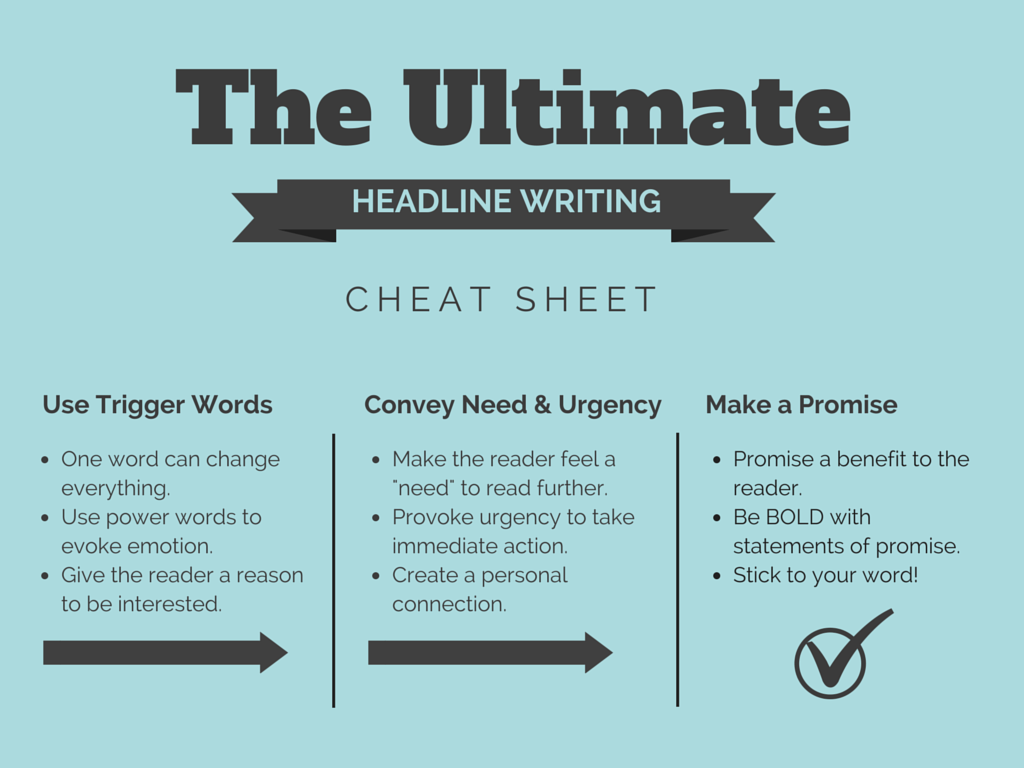
Your title is not a label. It is a promise. It tells the reader 3 things:
🎯 What this piece is about
🎯 Who it is for
🎯 What they will gain
A title that delivers on all 3 dramatically increases the likelihood that the right reader will click. And stay.
✅ Clarity first: Before anything else, your title must be clear. If a reader can’t tell in 3 seconds what your article is about, the title has failed its primary job.
✅ The promise: The best titles offer a specific benefit or outcome. Not “About Journaling” — but “How Daily Journaling Changed the Way I See My Problems.” Not “On Rest” — but “Why You Feel Guilty Resting (And How to Stop)”
✅ SEO and length: Aim for a title under 70 characters, with an SEO score of at least 75%. Use your primary keyword naturally within the title. Not awkwardly inserted, but genuinely part of the sentence.
✅ Numbers work: “4 Practical Tools for Reshaping Your Belief System” consistently outperforms “Tools for Reshaping Your Belief System” because numbers signal specificity and manageability. Use figures, not words.
The Introduction: Hook, Context, Promise
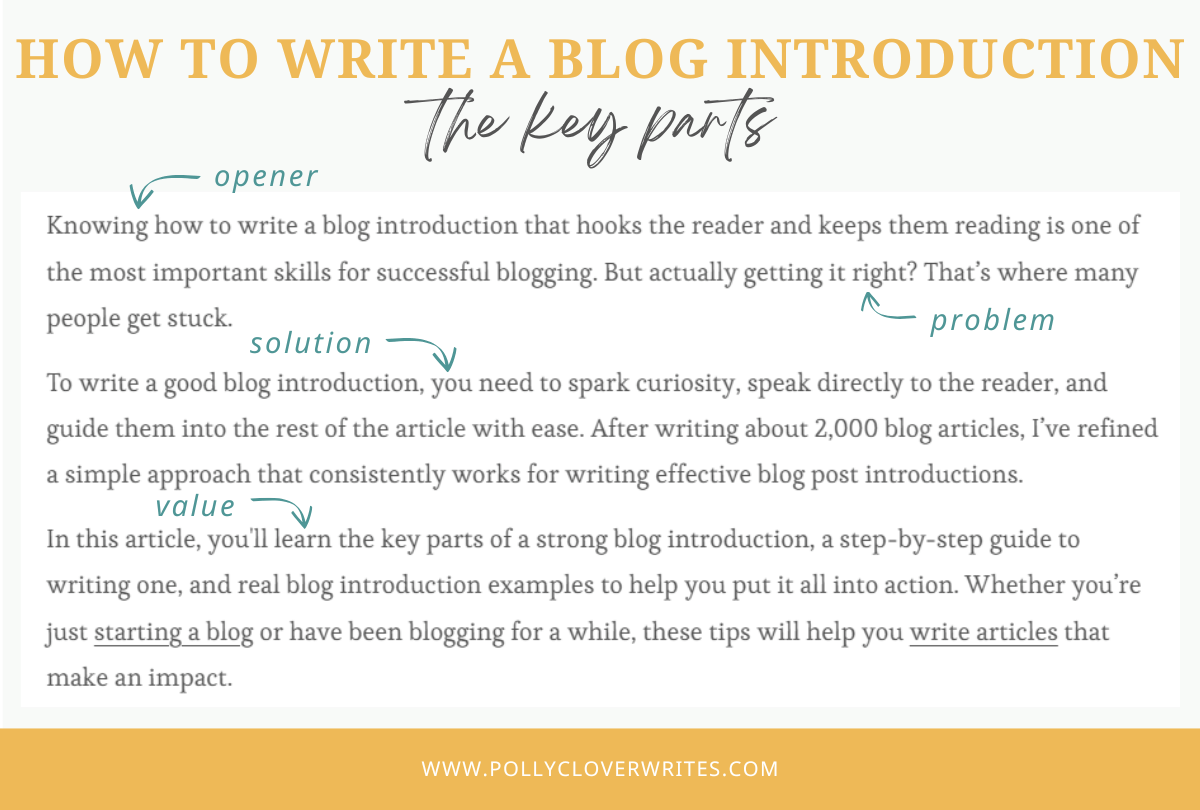
Your introduction has 3 jobs, and it should do all of them in about 3 to 5 sentences:
✅ Hook the reader: with something unexpected, emotionally resonant, or immediately relevant to their life.
✅ Establish context quickly: give the reader just enough background to understand why this topic matters right now.
✅ Make the promise: tell the reader, directly or implicitly, what they will get from reading this article.
A strong introduction does not recap the title. It deepens it.
If your title made a promise, the introduction is where you begin to make the reader believe you can keep it.
Body: Subheadings, Paragraphs, and Emphasis
The body of your article is where the promise is delivered. To keep your writing visually clear, engaging, and easy to scan:
🔥 Subheadings Guide the Reader: Use subheadings as mini-headlines. Each one should clearly tell the reader what they’re about to learn in that section
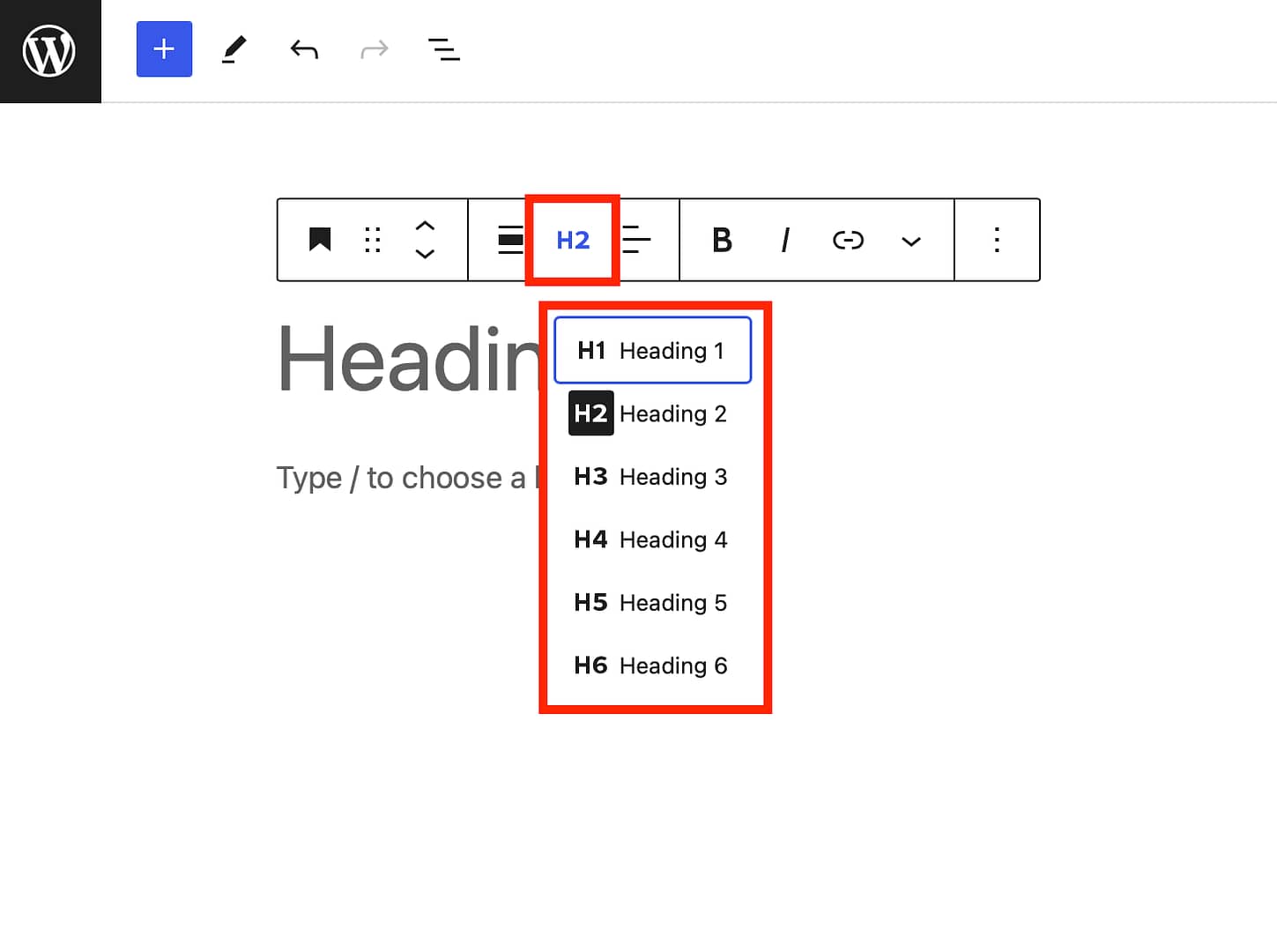
🧱 Use H4 Formatting Consistently: Format all subheadings as H4 and capitalize every major word. This keeps your structure clean and professional.
✂️ Keep Paragraphs Short: To a maximum of 4 lines. This improves readability and prevents visual fatigue.
⚡ Use Short Lines for Emphasis: For key insights or impactful ideas, go even shorter — 1 to 2 lines. This creates punch and draws attention.
🎯 Create Visual Rhythm: Mix short, medium, and slightly longer paragraphs. This variation keeps the reading experience dynamic instead of monotonous.
🖊️ Use Bold Strategically: Bold only the ideas you want a scanning reader to notice immediately.
🚫 Avoid Overusing Bold: If everything is bold, nothing stands out. Use it with intention.
Images: Visual Breathing Room
Insert high-resolution landscape images after long text blocks, ideally just before a new subheading. (Use published articles as a reference)
Images serve 3 purposes in our articles:
✅ Breather: They provide visual breathing room (which keeps readers from feeling fatigued by dense text)
✅ Context: They add emotional or thematic context to the content.
✅Summary: They can serve as summary images when placed after the introduction of the article’s key points.
We use Canva to make images, sometimes copy-paste an image URL from the web, or generate our own.

Conclusion: Summarize, Invite, Release
Your conclusion should do 3 things in two to three sentences:
✅ Summarize: not a recap of every point, but the one thing you most want the reader to carry away.
✅ Invite: usually a call to engage in the comments, try a practice, or reflect on a question.
✅ Release: the reader with a sense of completion. Not a cliffhanger, not an unanswered tension, but a genuine sense of rest.
Word Count
Aim for a maximum of 800 words per article for most topics.
For deeper subject matter, up to 1,400 words is acceptable. (rare option: readers say it’s too much)
For anything that feels like it wants to be longer than that, consider breaking it into a series of connected articles rather than one long piece, even if 2 episodes. (more common: preferred by readers)
The discipline of the word count is not about limiting ideas.
It is about respecting your reader’s time and trusting that well-chosen words say more than many words ever could.