
I’ve Realized I Hardly See Kids Anymore
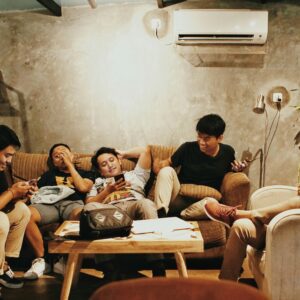
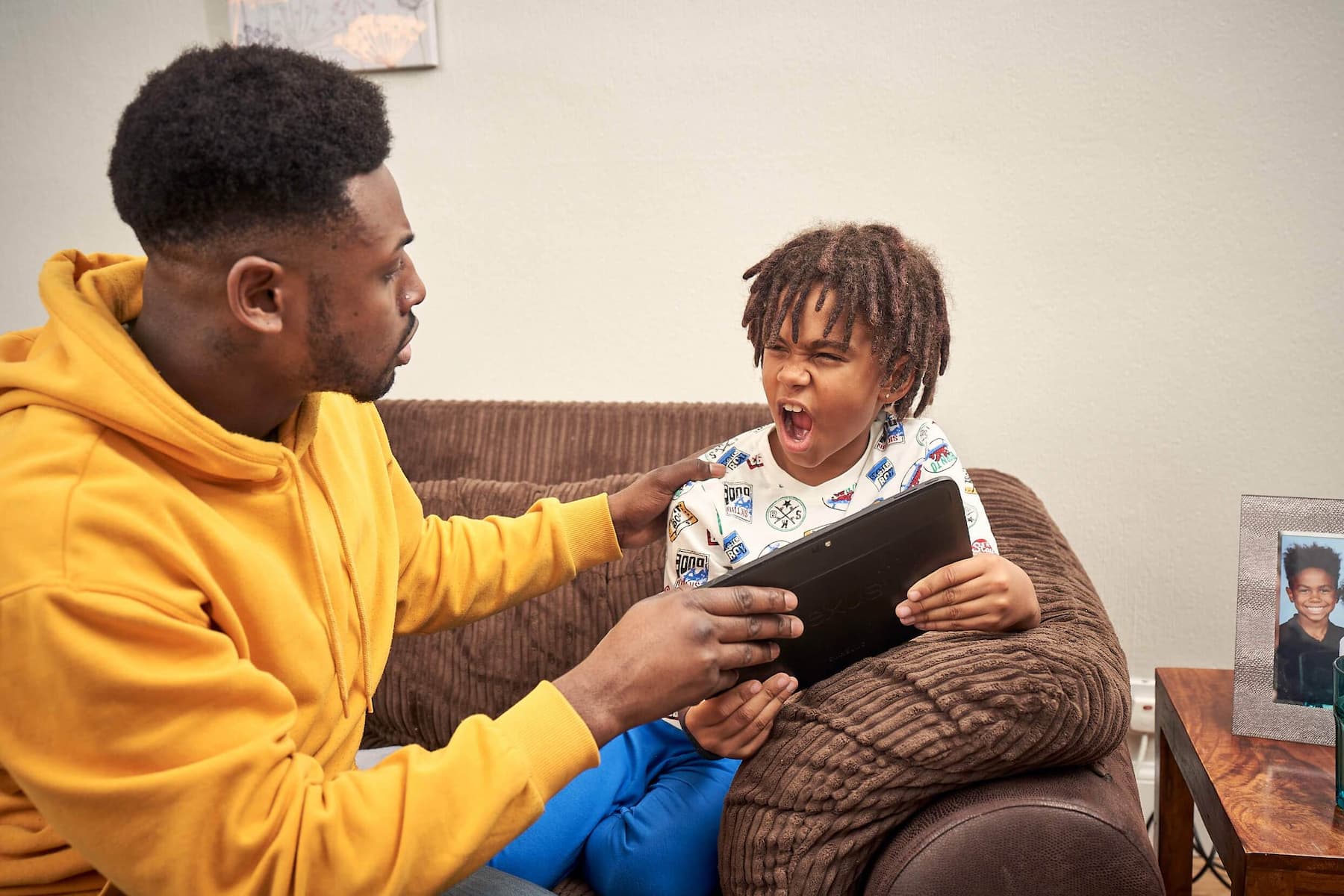
And when I do, they’re behind some flash of a screen, holding toys to distract them, or some after-school plan in the background.
It made me wonder, do kids still just sit anymore? The way we used to? Just existing?
I’m not even a parent yet, but most of my friends are becoming one, and I honestly think this should make us think.
Probably lately you haven’t seen one either. As of 2025. A quiet child? Must be sick or something’s really wrong. Silence feels like slacking or mischief.
That’s why parents look like they’re running a race they didn’t exactly sign up for.
Homework checking, snacks shopping (and groceries kids couldn’t care less), enforcing reduced TV time (which they somehow always find clever ways around), birthdays, and trying to raise “well-rounded humans” so society will nod in approval.
It’s hard to find even a minute to breathe. And aren’t the kids absorbing our pace?
Anyway, Recently I Stumbled On A Philosopher
Byung-Chul Han. He argues that modern suffering doesn’t come from lack, but from too much. “Excess of positivity,” he calls it. Too many choices, too much stimulation, too much pressure to be our best selves.
“The exploiter is simultaneously the exploited. Master and slave are now the same person.”
We no longer need anyone to crack the whip. We do it to ourselves. And while is evident in our adulting, it sneaks into how we parent.
We rush our mornings. We cram our weekends. We schedule parenting like a productivity report.
Extra classes to boost kids’ scores. Getting them extracurriculars like football. Who wouldn’t want a Lamine Yamal son? Piano, because we regret never learning it ourselves. I regret it too. Coding, because “the robots are coming…”
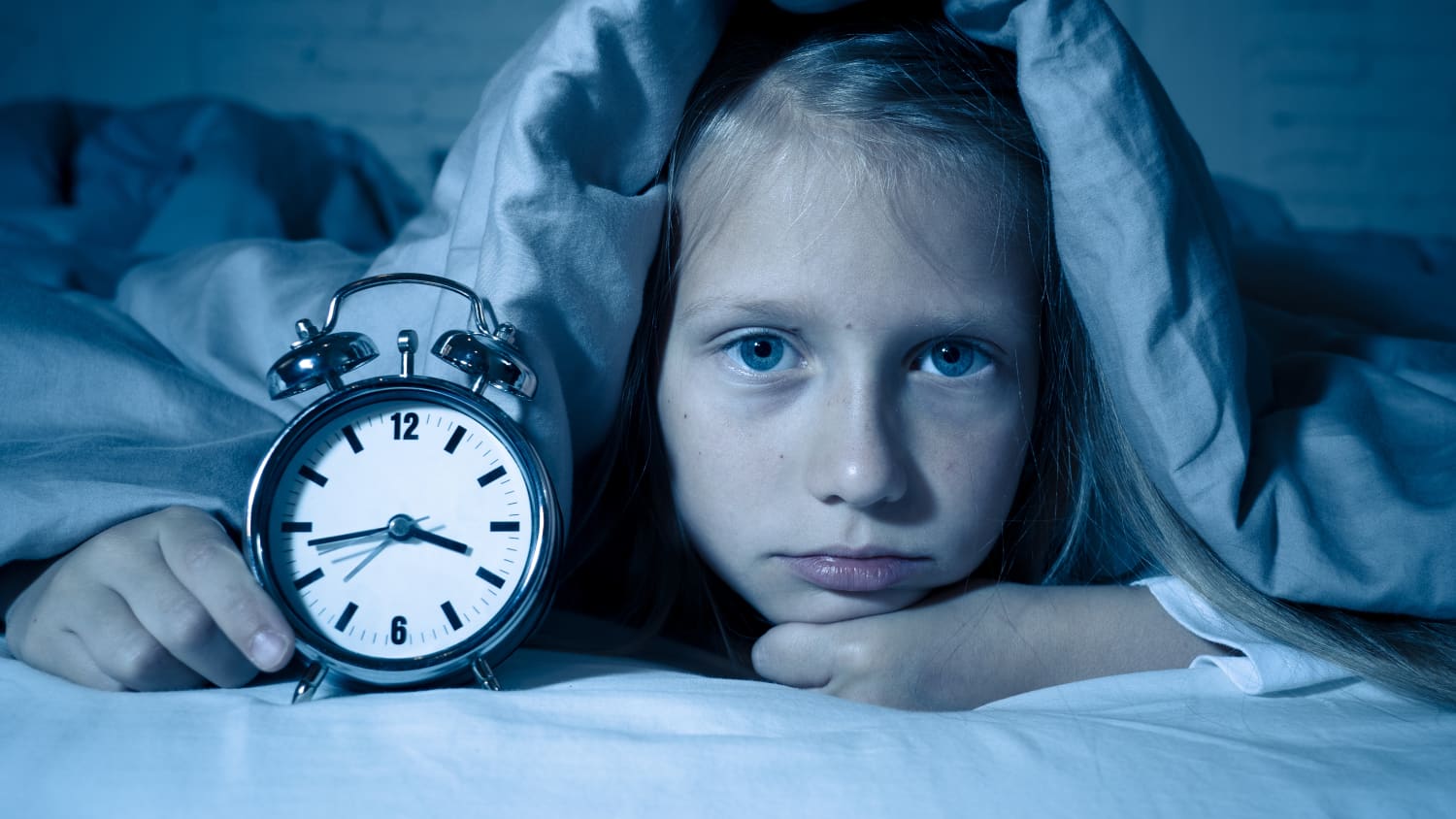
By the time the day winds down, there’s just enough space for a cartoon or for them to “borrow” your phone and play games, until you start preaching about how sleeping past 7 pm will turn them into zombies tomorrow.
The Truth is, Children Weren’t Designed For This
Children crave stillness. Not because they’re lazy, but because stillness is sacred. It’s in the unhurried moments that they begin to know themselves.
The long stare out the window. The slow walk under trees. The lazy Sunday afternoon that stretches without demand.
And no, I don’t mean taking them to the mall for bouncing castles and loud water parks.
Many children today don’t get that kind of stillness.
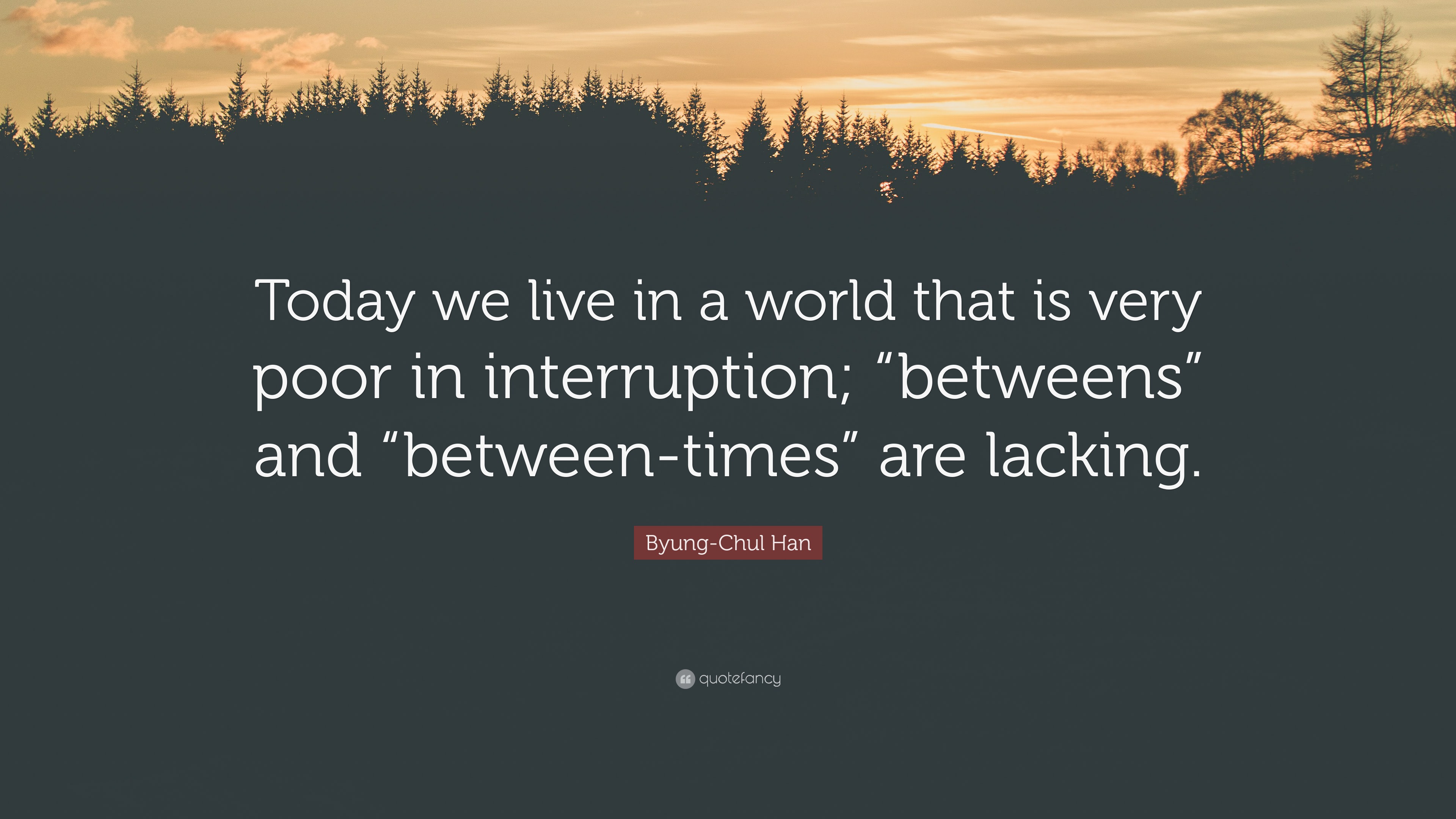
We parent the way we live. Fast, efficient, restless. Life starts to feel like a processing factory with rigid stages and milestones, and no room for the greys. No space to linger. No time to breathe the scent of time, as Han calls it.
You know, religion, for centuries, has quietly protected this feeling. Weekly rituals, communal meals, sacred pauses.
It created time not to manage, but to dwell in. Whether or not you’re religious, that rhythm, the slowness, is something many of us, without realizing it, are starving for. Today’s society, which appreciates religion less, is missing out on this.
Stillness Is The Art of Presence
It’s that deep breath between chapters. The choice to slow down. And it’s something we can offer our children, even as we re-learn it ourselves.
Because kids show signs when they’re craving stillness:
- ✅ Overstimulated, yet bored.
- ✅ Bounce between games and YouTube, but can’t sit still.
- ✅ Struggle to sleep or seem moody for “no reason.”
- ✅ Struggle with quiet or “solo” play.
- ✅ Say, “I don’t know what to do,” even with 53 toys on the floor.
I think current moms and dads, or soon-to-be, need to hear that. We’ll raise kids who live how we live.
If our days are always loud, rushed, and restless, theirs will be too. Perhaps we should start practicing the kind of calm we hope our children will grow into.
That means:
- ✅ Leaving space in the day that isn’t scheduled.
- ✅ Taking slow walks. No devices, no rush.
- ✅ Watching the sky. Counting ants. Lying on the grass.
- ✅ Modeling “doing nothing” with joy.
- ✅ Relearning that boredom isn’t a failure.
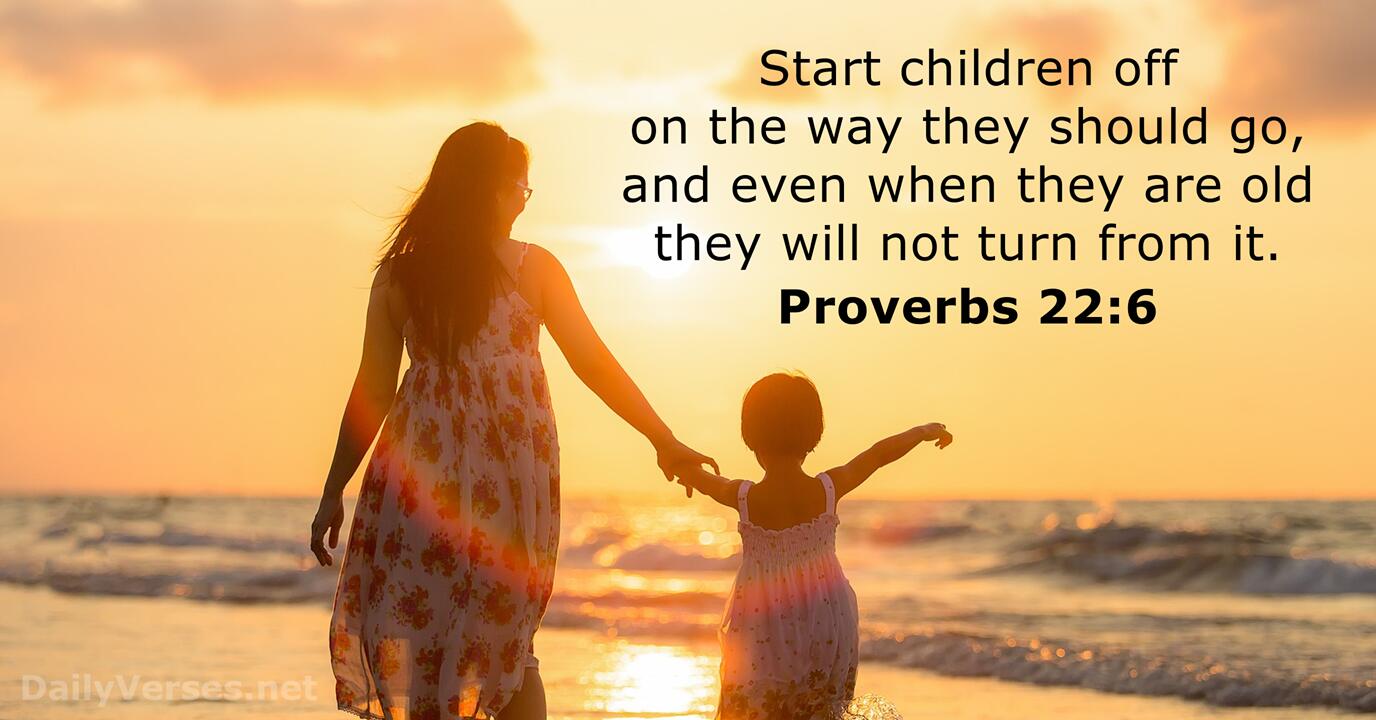
We Don’t Have To Turn Every Moment Into a Project
We can learn to let time breathe again.
And maybe, in doing that, we’ll remember what childhood was supposed to feel like. Not always busy, not optimized, just alive.
Because beneath all the “self-improvement” and productivity, maybe what our generation, and the next, is craving and will crave most, is rest.
So before we teach kids to run faster, maybe we should first learn how to sit still. Let time breathe. Let us breathe. Then let ‘em rest awhile.